



Metabolic
Task Force
Metabolic
CenExel’s Metabolic Task Force unites specialized investigators, advanced participant recruitment capabilities, and deep therapeutic expertise to accelerate the development of transformative treatments for obesity, diabetes, and related metabolic conditions.
Task Force Highlights
124+
Drugs in active metabolic development
68%
Growth in obesity trials vs. five years prior
18
Centers of Excellence across the U.S.
Our Mission
Confronting One of Medicine's Most Urgent Challenges
Metabolic disease is one of the defining health crises of our time. With 29.7 million Americans diagnosed with diabetes and obesity rates continuing to climb, the need for better, safer therapies has never been more pressing. CenExel's Metabolic Task Force was established to meet this challenge with scientific rigor, operational excellence, and a participant-first approach.
What We Treat
The Metabolic Task Force addresses a broad range of interconnected conditions at the intersection of endocrinology, cardiovascular health, and lifestyle medicine.
Obesity & Overweight (BMI ≥ 25 kg/m²)
Type 2 Diabetes & Insulin Resistance
Metabolic-Associated Steatotic Liver Disease (MASLD / MASH)
Dyslipidemia & Cardiovascular Metabolic Risk
Non-Alcoholic Fatty Liver Disease (NAFLD)
Prediabetes & Impaired Glucose Tolerance
Health problems:
Over time the lack of insulin in the body can lead to health problems

Dehydration
Mood disorders, anxiety, PTSD, and complex behavioral conditions.

Diabetic Coma
Life-threatening diabetic comas can occur when a type 2 diabetic becomes severely dehydrated or ill.
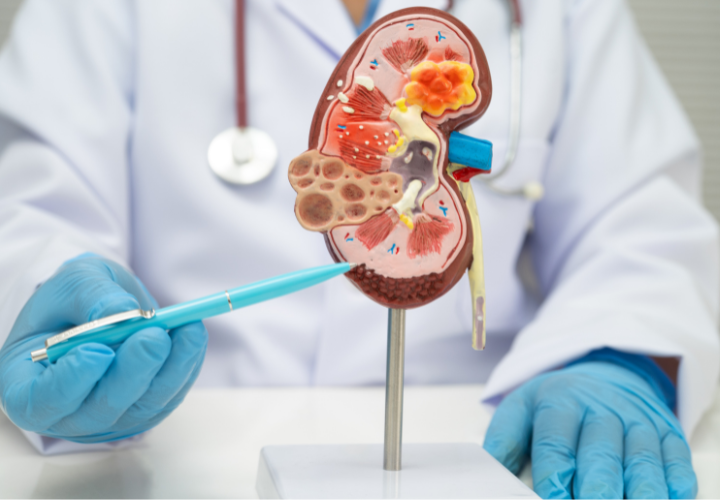
Kidney Damage
Kidney damage can occur without treatment and carries a substantial risk of kidney failure.
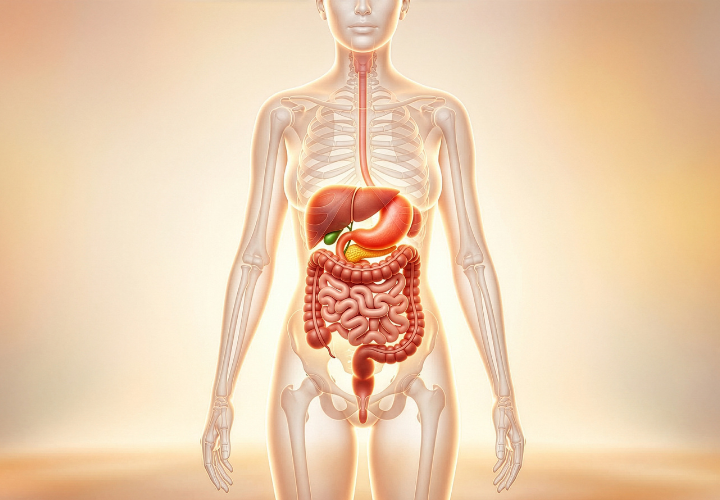
Damage to the Body
High glucose levels can damage nerves and blood vessels.
Task Force Efforts
What the Task Force is Working On
A snapshot of the Metabolic Task Force's current and recent priorities across our site network.
Obesity
Expanding GLP-1 Trial Capacity Across the Network
The Metabolic Task Force is actively building harmonized infrastructure and investigator training to support the surge in GLP-1 receptor agonist trials. Sites across our network are being credentialed and standardized to execute these studies with consistent protocol adherence and participant experience, ensuring sponsors can access multiple geographies within a single, integrated partnership.
Liver Disease
MASH Protocol Optimization & Site Readiness
With MASH drug development entering a pivotal era following recent FDA approvals, the Task Force is coordinating protocol readiness efforts — including histologic endpoint training, liver imaging standardization, and participant identification strategies — to ensure our sites are positioned as preferred destinations for sponsors developing the next generation of MASH therapies.
Patient Recruitment
Precision Recruitment for Metabolic Populations
Our in-house recruitment team is executing targeted outreach programs in partnership with primary care networks, endocrinology practices, and community health organizations to build deep, pre-screened participant registries for metabolic studies. This proactive approach shortens enrollment timelines and ensures diverse representation across study populations.
Task Force
Integrated Infrastructure. Exceptional Outcomes.
The Metabolic Task Force draws on CenExel's full operational engine — from inpatient units and centralized data management to best-in-class participant recruitment and regulatory expertise — to deliver a seamlessly integrated trial experience for every sponsor partner.
18 Centers of Excellence
600+ Inpatient Beds
Harmonized SOPs
Centralized Data Management
Dedicated Recruitment Team
Phase I–IV Capable
Leader
[executive_team ids="19485," team_type="expert", limit="1" , show_quote="yes"]
Why study type 2 diabetes?
Cases are rapidly rising; Gallup Healthways estimate 37 million Americans will be type 2 diabetics by 2015. Also, cases of type 2 diabetes in children and teenagers are also dramatically increasing. Researchers have found that the increase in obesity, as well as a decrease in physical activity, may be to blame.
Who can get type 2 diabetes?
Age (especially over 45)
Unhealthy weight
Family history
Sedentary life style
Ethnicity and race
High blood pressure
Low HDL cholesterol
High triglyceride counts
Need More Help